
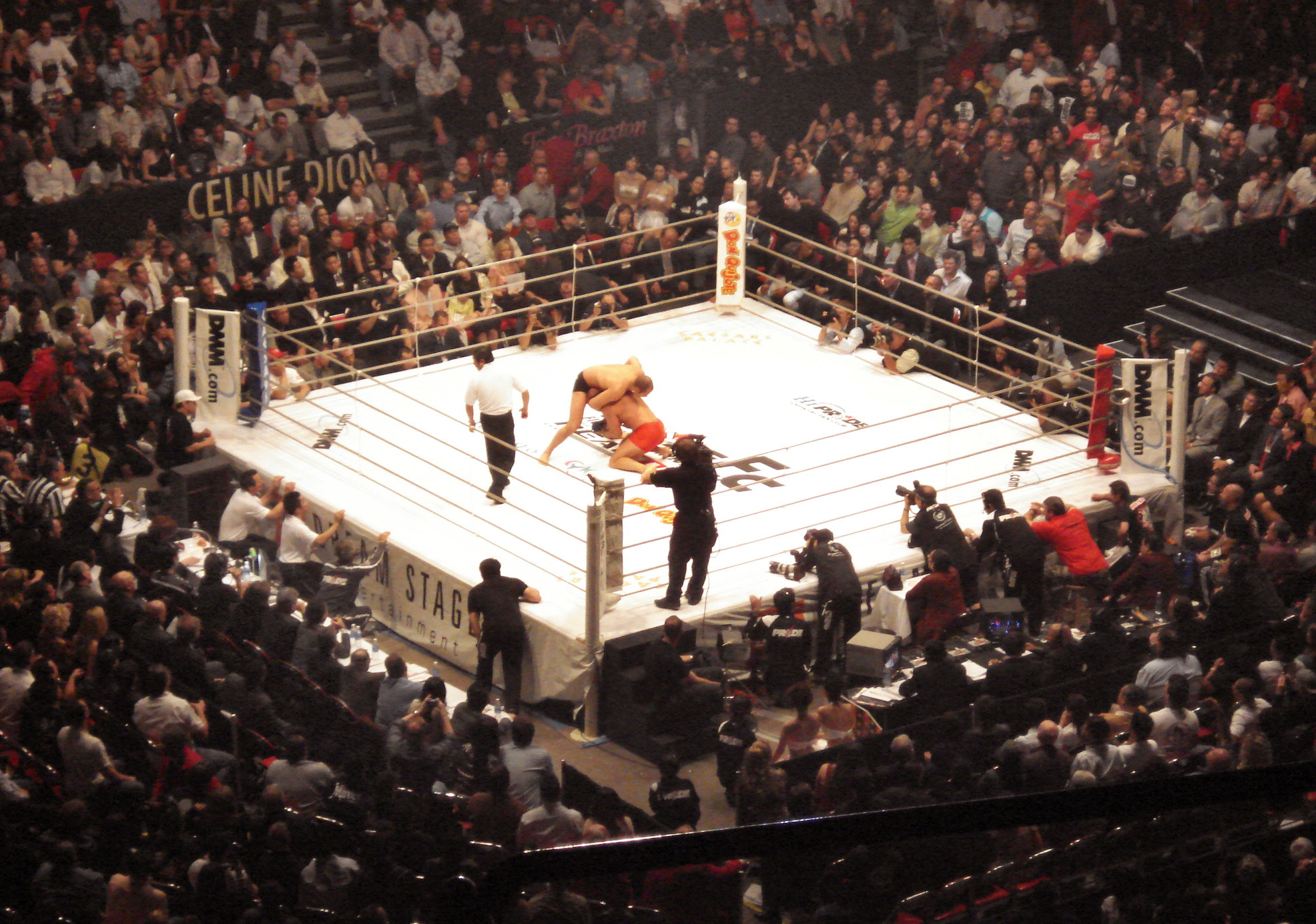
Few sports draw from as many disciplines as mixed martial arts. In a single fight, a bout can move from a boxing-style exchange on the feet to a wrestling takedown, and finish with a Brazilian Jiu-Jitsu submission on the ground.
A Sport Built From Many Arts
MMA fighters train across striking arts — boxing, Muay Thai, kickboxing — as well as grappling disciplines like wrestling and Brazilian Jiu-Jitsu. That range is what separates the sport from single-discipline combat sports: a well-rounded fighter has to be dangerous standing up, in the clinch, and on the mat.
How a Fight Can End
A bout can be decided several ways: a knockout or technical knockout when a fighter can no longer safely continue, a submission when an opponent taps out to a joint lock or choke, or a judges' decision if the fight goes the distance. That variety keeps every round unpredictable — a fight can shift completely with a single takedown or a well-timed strike.
The Global Rise of MMA
What began as a niche curiosity in the 1990s, pitting different martial arts styles against each other to see which reigned supreme, has grown into one of the fastest-growing sports worldwide. Today's top organizations draw fighters from wrestling programs, karate dojos and jiu-jitsu academies alike — proof that the sport's hybrid identity is also its greatest strength.
0 Comments