
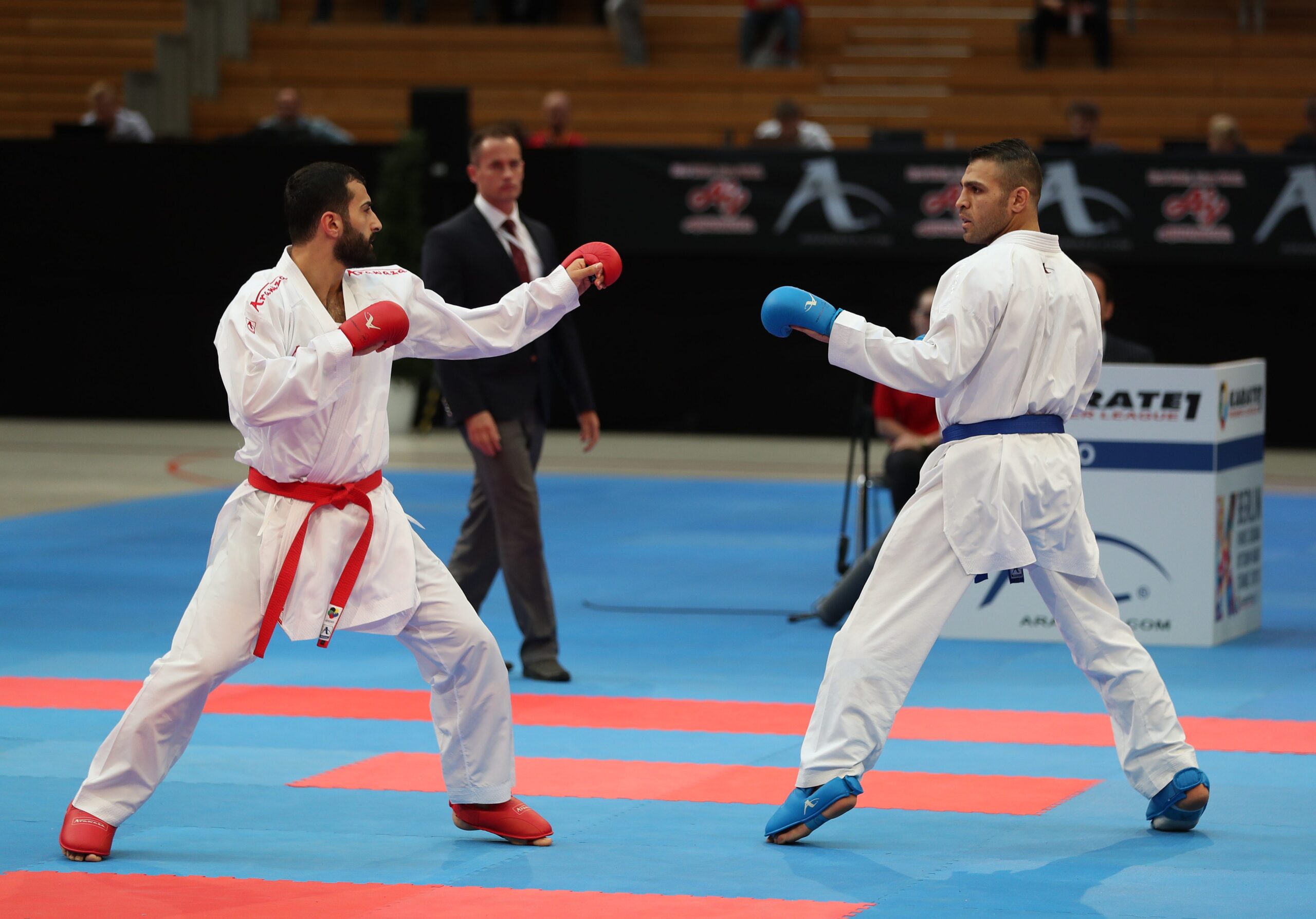
Karate's journey from Okinawan dojos to the Olympic arena has reshaped how the world watches the sport compete. At the heart of that transformation is kumite — the sparring discipline where technique, timing and control decide every point.
The Basics of Kumite
Unlike the choreographed forms of kata, kumite pits two athletes against each other in controlled, full-speed exchanges. Competitors score points by landing clean strikes — punches, kicks and sweeps — to designated target areas, all while a panel of referees judges accuracy, distance and control.
Scoring Points: Yuko, Waza-ari, Ippon
Points in kumite come in three tiers. A yuko (one point) rewards a clean strike to the body or arm; a ippon; in karate it is worth two points.">waza-ari (two points) recognizes a stronger technique such as a kick to the body; and an ippon (three points) is reserved for the most decisive scores, including kicks to the head. Matches typically run three minutes, with the highest-scoring athlete — or the first to open an eight-point gap — declared the winner.
From Dojo to Olympic Stage
Karate made its Olympic debut at the Tokyo 2020 Games, introducing kumite's fast, tactical exchanges to a global audience for the first time. Whether practiced in a local dojo or on the Olympic mat, kumite remains a discipline where discipline and split-second decision-making matter as much as physical power.
0 Comments