Brazilian Jiu-Jitsu built its reputation on a simple idea: a smaller, technically skilled fighter can control and submit a larger, stronger opponent. That principle has turned BJJ into one of the most widely practiced grappling arts in the world.
From Judo Roots to a Sport of Its Own
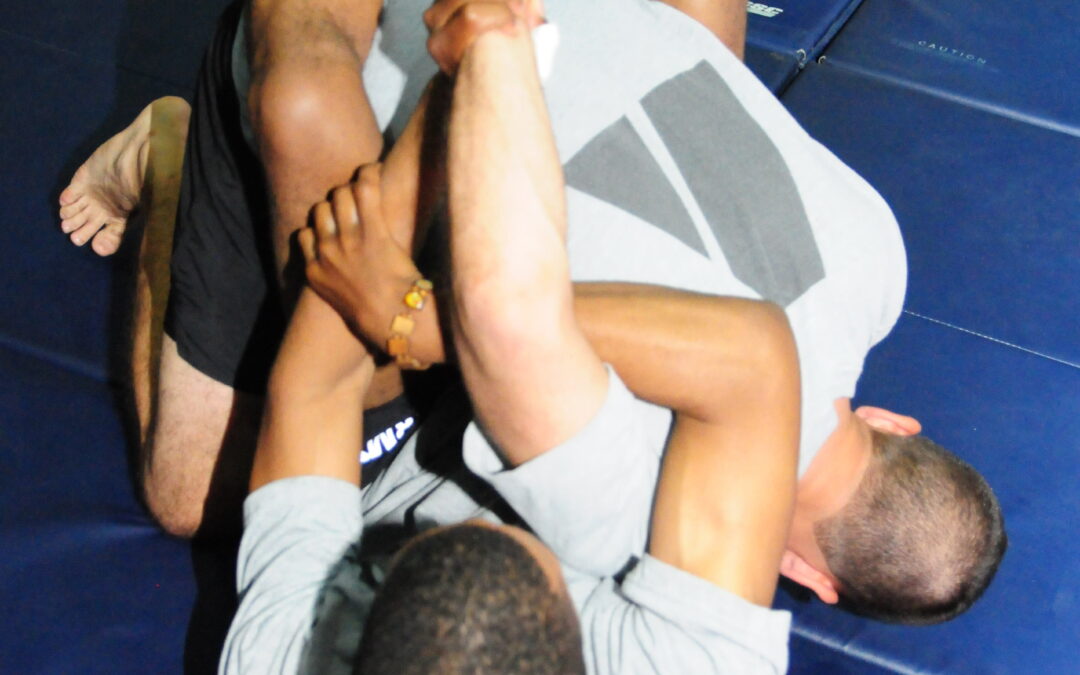
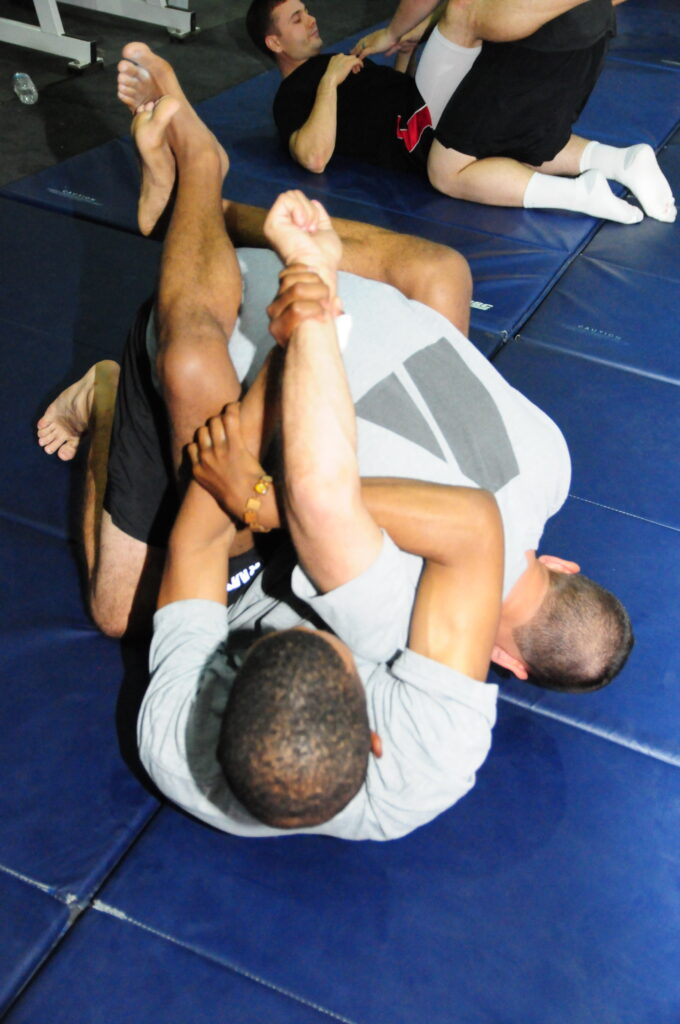
BJJ traces its roots to Kodokan Judo, brought to Brazil in the early 20th century and adapted by the Gracie family into a ground-focused system. Rather than relying on throws and strikes, BJJ emphasizes positional control, leverage and submissions — joint locks and chokes that force an opponent to tap out.
Why Technique Beats Strength
Central to BJJ is the idea of using leverage rather than muscle. Techniques like the kimura lock or the guard position allow a practitioner to neutralize a stronger opponent by controlling angles and body weight rather than matching force with force — a philosophy summed up in the art's own nickname, 'the gentle art.'
Getting Started on the Mats
New students typically begin by learning positional escapes and basic submissions before progressing through BJJ's belt system — white, blue, purple, brown and black — a path that in traditional academies can take a decade or more to complete. It's a slow discipline, but one that rewards patience as much as athleticism.
Karate's journey from Okinawan dojos to the Olympic arena has reshaped how the world watches the sport compete. At the heart of that transformation is kumite — the sparring discipline where technique, timing and control decide every point.
The Basics of Kumite
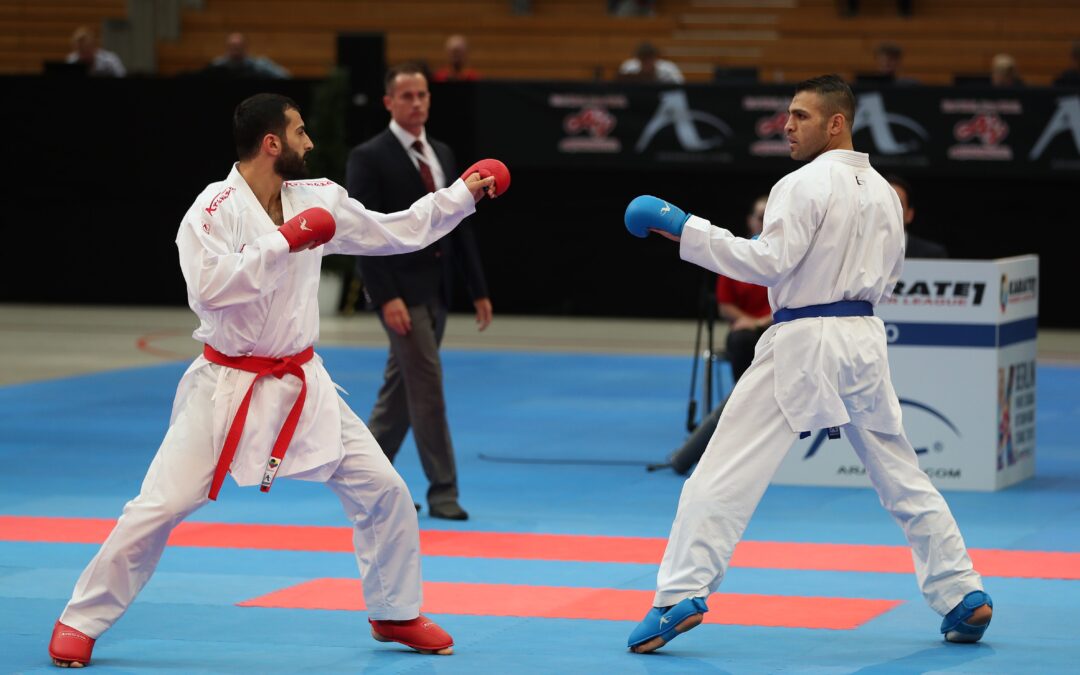
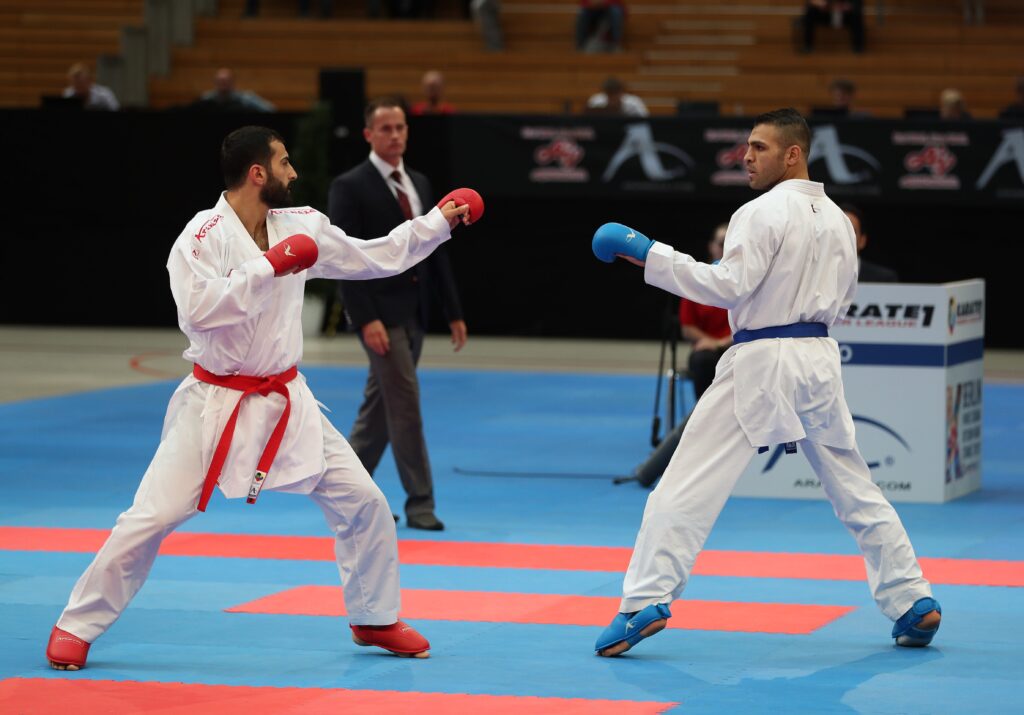
Unlike the choreographed forms of kata, kumite pits two athletes against each other in controlled, full-speed exchanges. Competitors score points by landing clean strikes — punches, kicks and sweeps — to designated target areas, all while a panel of referees judges accuracy, distance and control.
Scoring Points: Yuko, Waza-ari, Ippon
Points in kumite come in three tiers. A yuko (one point) rewards a clean strike to the body or arm; a waza-ari (two points) recognizes a stronger technique such as a kick to the body; and an ippon (three points) is reserved for the most decisive scores, including kicks to the head. Matches typically run three minutes, with the highest-scoring athlete — or the first to open an eight-point gap — declared the winner.
From Dojo to Olympic Stage
Karate made its Olympic debut at the Tokyo 2020 Games, introducing kumite's fast, tactical exchanges to a global audience for the first time. Whether practiced in a local dojo or on the Olympic mat, kumite remains a discipline where discipline and split-second decision-making matter as much as physical power.
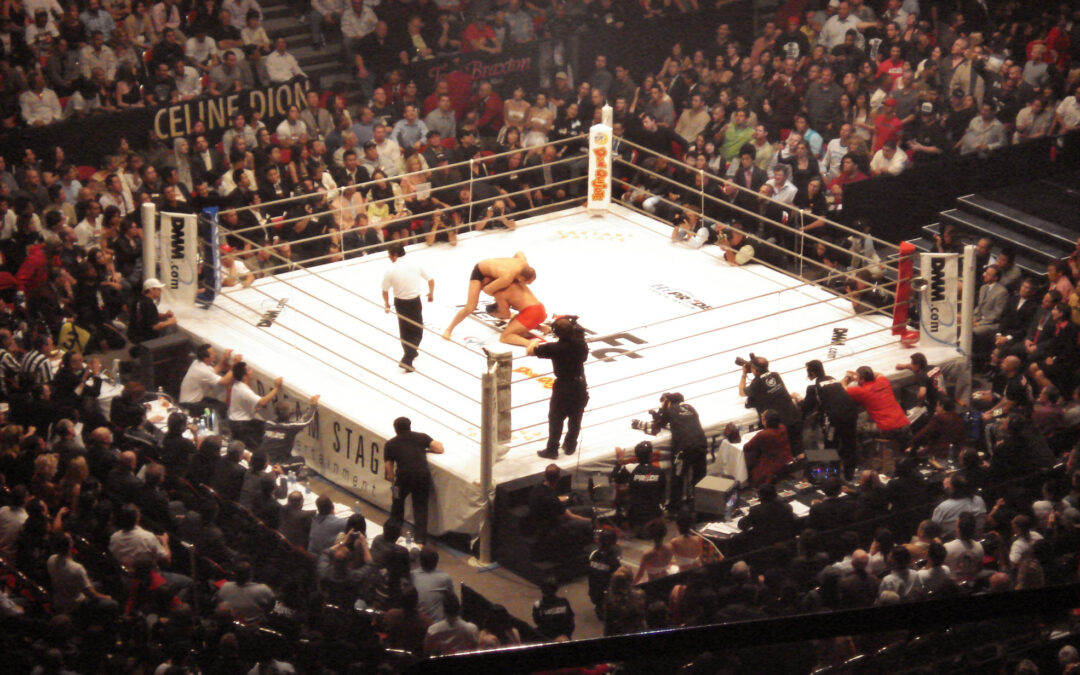
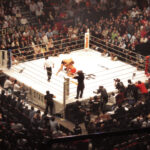
Few sports draw from as many disciplines as mixed martial arts. In a single fight, a bout can move from a boxing-style exchange on the feet to a wrestling takedown, and finish with a Brazilian Jiu-Jitsu submission on the ground.
A Sport Built From Many Arts
MMA fighters train across striking arts — boxing, Muay Thai, kickboxing — as well as grappling disciplines like wrestling and Brazilian Jiu-Jitsu. That range is what separates the sport from single-discipline combat sports: a well-rounded fighter has to be dangerous standing up, in the clinch, and on the mat.
How a Fight Can End
A bout can be decided several ways: a knockout or technical knockout when a fighter can no longer safely continue, a submission when an opponent taps out to a joint lock or choke, or a judges' decision if the fight goes the distance. That variety keeps every round unpredictable — a fight can shift completely with a single takedown or a well-timed strike.
The Global Rise of MMA
What began as a niche curiosity in the 1990s, pitting different martial arts styles against each other to see which reigned supreme, has grown into one of the fastest-growing sports worldwide. Today's top organizations draw fighters from wrestling programs, karate dojos and jiu-jitsu academies alike — proof that the sport's hybrid identity is also its greatest strength.
Competitive Wrestling follows a defined rule set covering scoring, match duration and permitted techniques. This test article stands in for full competition coverage.
Scoring and Rules. Judges and referees evaluate technique, control and effectiveness according to the discipline's official rulebook. This placeholder content will be replaced with detailed rules coverage.
Where to Watch. Wrestling competitions and demonstrations are held at club, national and international level throughout the year. This test post exists to verify category display and will be replaced with real event coverage.
Training in Wrestling builds technical skill, conditioning and mental focus through structured practice. This test article stands in for a complete beginner's training guide.
What a Typical Class Looks Like. A Wrestling class usually opens with a warm-up, moves into technique drills, and closes with supervised practice. This placeholder content will later be replaced with a full class walkthrough.
Tips for New Practitioners. Beginners are encouraged to focus on fundamentals, listen to instructors and progress at their own pace. This is placeholder text created to test the Wrestling category page.